why your car is pulling to one side and what needs fixing
You're driving in a straight line, but your car has other ideas. It drifts left or right, your steering wheel sits at an angle, or you find yourself constantly correcting just to stay in your lane. That's not normal wear and tear. It's your car telling you something needs attention.
A pulling car is one of the most common complaints we see at RR Automotive in Mickleham, and it nearly always points to one of a handful of fixable problems. Some are minor. Some are urgent. None of them gets better on their own.
What Does It Mean When a Car Pulls to One Side?
When a car pulls to one side, it means the vehicle is generating uneven forces on the left and right sides. Your steering system is designed to stay centred under normal conditions. When that balance is disrupted by tyre pressure, suspension wear, brake drag, or alignment error, the car naturally tracks toward the weaker or heavier side.
A pulling car isn't just annoying. It increases tyre wear, puts stress on steering components, and, in braking situations, can cause your car to veer dangerously. Getting it diagnosed early keeps repair costs down and keeps you safe.
The Six Most Common Causes
1. Uneven Tyre Pressure
This is the first thing to check because it's the simplest fix. If one tyre is significantly underinflated compared to the other on the same axle, it creates a height difference that pulls the car toward the softer side. Tyre pressure fluctuates with temperature, so it's worth checking every few weeks, especially through Melbourne's seasonal shifts.
2. Wheel Alignment Is Off
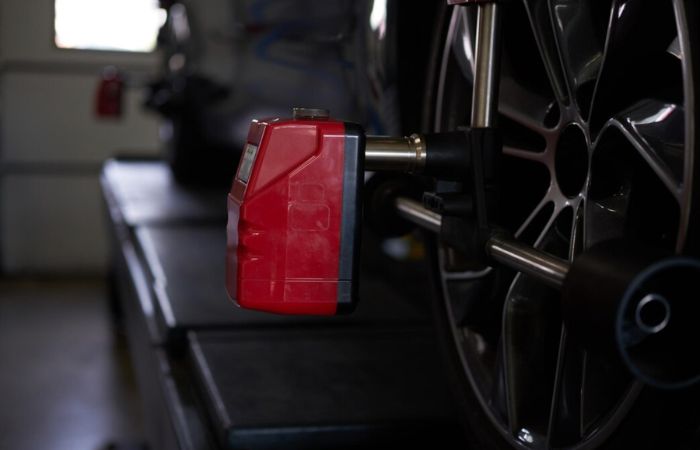
Wheel alignment refers to the angles at which your tyres contact the road. Camber, toe, and caster all need to sit within manufacturer specifications. If your alignment is out, even slightly, your car will pull in the direction of the misalignment.
Mickleham residents are particularly exposed to alignment issues because of the area's developing road network, speed humps, and construction traffic. A single hard pothole hit can be enough to knock alignment out of spec.
3. Uneven Tyre Wear
Tyres that have worn unevenly, whether through alignment neglect or improper rotation, will generate different levels of rolling resistance on each side. The car pulls toward the side with more resistance. You can often spot this by running your hand across the tread: if one side feels significantly smoother or more worn than the other, you've found your problem.
4. Brake Drag
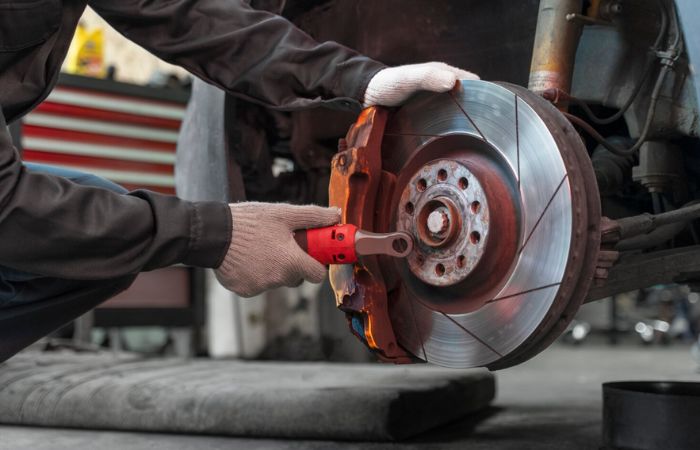
If a brake calliper on one side isn't releasing fully, it creates drag on that wheel. The car pulls toward the dragging brake because that side is being slowed while the other rolls freely. You might also notice a burning smell, heat from one wheel area, or the car pulling more noticeably when you brake.
This is a safety issue and needs to be addressed promptly.
5. Suspension Wear
Worn suspension components, including control arm bushings, ball joints, and tie rod ends, affect how your wheels are positioned and how they respond to road input. As these parts degrade, they lose their ability to hold the wheel in alignment, causing drift and pull.
Suspension wear is gradual, which is why many drivers don't notice it until the pull becomes pronounced. But by the time it's obvious, several components may already be past their service life.
6. Torque Steer (Front-Wheel Drive Vehicles)
Some front-wheel drive vehicles, particularly those with more powerful engines, experience torque steer: a pulling sensation during hard acceleration caused by unequal drive shaft lengths. This is a design characteristic rather than a fault, but if it's become more noticeable over time, it can indicate worn CV joints or driveshaft components that need assessment.
Cause vs. Repair at a Glance
| Cause | Key Symptom | Repair |
|---|---|---|
| Uneven tyre pressure | Pulls toward softer tyre | Inflate to correct pressure |
| Wheel alignment | Constant drift | 4-wheel alignment |
| Uneven tyre wear | Drift with visible tread difference | Tyre replacement and rotation |
| Brake drag | Pulls on the brakes, burning smell | Calliper service or replacement |
| Suspension wear | Wanders, pulls over bumps | Bushing, ball joint or tie rod repair |
| Torque steer | Pulls only on acceleration | CV joint or driveshaft inspection |
How a Mechanic Diagnoses a Pulling Car
Getting the diagnosis right matters. A pulling car can have more than one contributing cause, and fixing just one without checking the others means the problem often returns.
Step 1. Tyre pressure check. Technicians check all four tyres against manufacturer specifications and correct any imbalance before anything else. This rules out the simplest cause first.
Step 2. Visual tyre inspection. Tread depth and wear patterns are checked across all four tyres. Uneven wear on the inner or outer edge points to alignment or suspension issues.
Step 3. Wheel alignment measurement. Using alignment equipment, camber, toe, and caster angles are measured and compared to the vehicle's specifications. Out-of-range figures confirm whether alignment correction is needed.
Step 4. Brake inspection. Each calliper is inspected for free movement. A dragging calliper will be apparent through heat, resistance, or uneven pad wear.
Step 5. Suspension inspection. Ball joints, tie rod ends, control arm bushings, and sway bar links are checked for play, wear, and damage. On older vehicles or those that have covered high kilometres, this step often reveals the root cause.
Step 6. Test drive. A road test confirms whether the pull is consistent, occurs only under braking, or worsens at higher speeds. This helps identify whether the issue is alignment, brake-related, or tyre-related.

When Should You Get It Checked?
If your car is pulling to one side, the right time to get it looked at is now, not after the next service. Some causes, like brake drag and suspension wear, compound quickly. What starts as a minor pull can become an expensive multi-component repair if left alone.
The rule of thumb is straightforward. If you're correcting your steering more than usual, if the car pulls noticeably under braking, or if you can see tyre wear that doesn't look even, book it in. The longer you wait, the more your tyres wear unevenly and the more stress goes through your suspension and steering components.
Does Wheel Alignment Fix a Pulling Car?
Alignment fixes a pulling car when misalignment is the cause. But it won't resolve brake drag, suspension wear, or tyre pressure issues. That's why a proper diagnosis covers all possible causes before any repair is recommended.
At RR Automotive, alignment is checked as part of our standard diagnostic process for any pulling complaint. We use precision alignment equipment and measure all four wheels, not just the front axle, to give you an accurate picture of where your vehicle stands.
Frequently Asked Questions
Why is my car pulling to the left?
The most common reasons are a low or flat tyre on the left side, wheel alignment that's out of spec, or a brake calliper dragging on the left front wheel. A worn suspension component on that side can also be the cause. A quick inspection will identify which one applies to your vehicle.
Can I drive a car that's pulling to one side?
You can, but it's not advisable for long. If the cause is brake drag, it's a safety issue that can worsen quickly. If it's alignment or tyre wear, every kilometre you drive is adding unnecessary wear and cost. Get it assessed as soon as you can.
Does wheel alignment stop a car from pulling?
It does if misalignment is the cause. Alignment alone won't fix a dragging calliper, worn suspension, or a deflated tyre. A pulling car needs a full diagnosis, not just alignment, as a first assumption.
How long does a wheel alignment take?
A four-wheel alignment typically takes between 45 minutes and an hour. If additional repairs are found during the inspection, such as worn tie rod ends that need replacement before alignment can be held, the job will take longer. We'll always advise you before any additional work is carried out.
Can new tyres cause a car to pull?
Yes. A defective tyre, or one fitted incorrectly, can cause pulling. A new tyre with an internal belt shift, which is a manufacturing fault, will pull consistently in one direction regardless of alignment or pressure. If pulling starts immediately after a tyre change, bring it back for inspection.
Don't Let a Pull Become a Bigger Problem
A car that pulls to one side is giving you clear feedback that something in your steering, braking, or suspension system needs attention. The causes range from a quick pressure top-up to a full suspension repair, but none of them is worth ignoring.
Our qualified technicians at RR Automotive in Mickleham carry out thorough diagnostic inspections covering tyres, brakes, alignment, and suspension, so nothing gets missed and no parts get replaced unnecessarily. Whether your car has a gradual drift or a noticeable pull under braking, we identify the root cause and give you a clear picture of what's needed before any work begins.
Contact us to get your vehicle driving straight again.